1
RFQ and Project Review
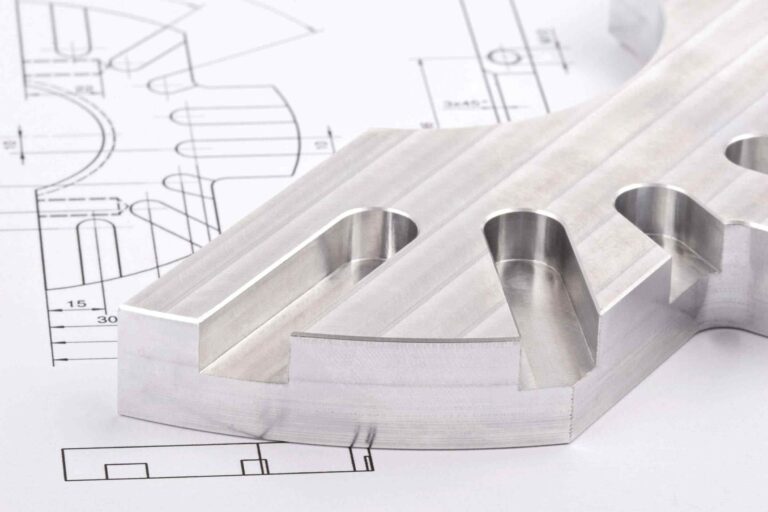
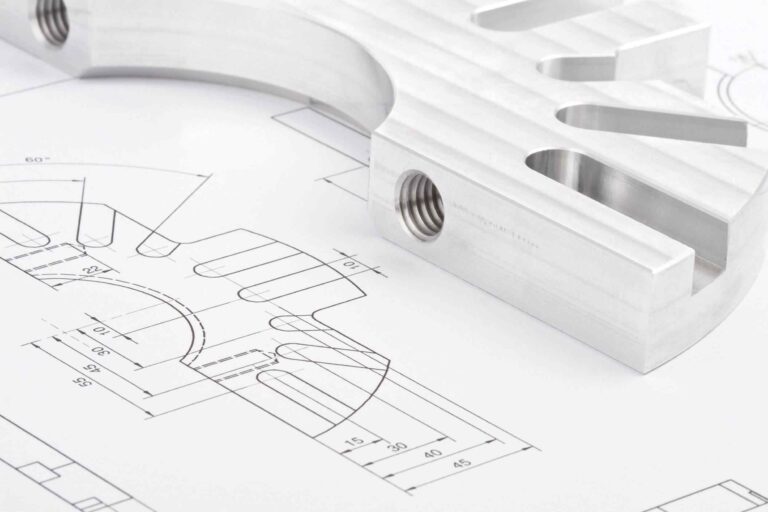
Submit your 2D drawings or 3D CAD files, material grade, quantities, critical tolerances, surface finish and target delivery date. We review the intended application and clarify missing specifications before preparing a quotation.


Drawing Review and Quotation
We assess manufacturability, tool access and critical features, confirm the applicable drawing revision and agree on material, inspection requirements, price and lead time before production begins.
2
Process Planning and Machine Setup
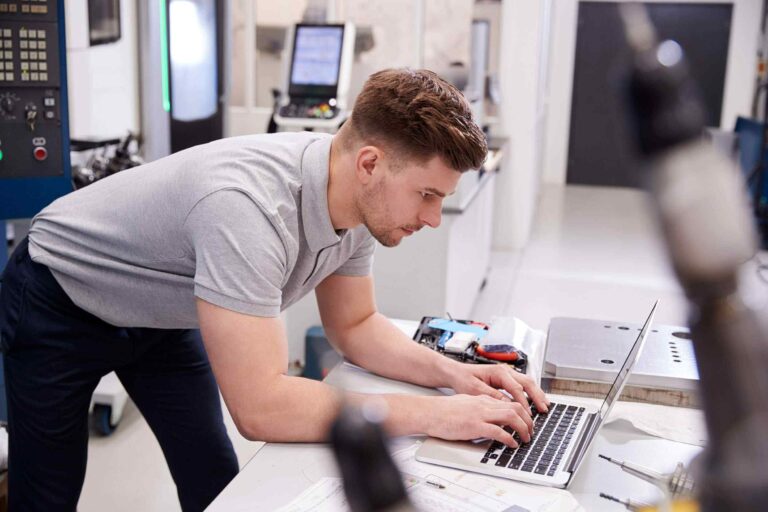
After order confirmation, the machining team plans the operation sequence, prepares CAM programs, selects cutting tools and fixtures, and verifies machine setup. First-piece checks help establish the process before the remaining quantity is machined.
CNC Machining and In-Process Inspection
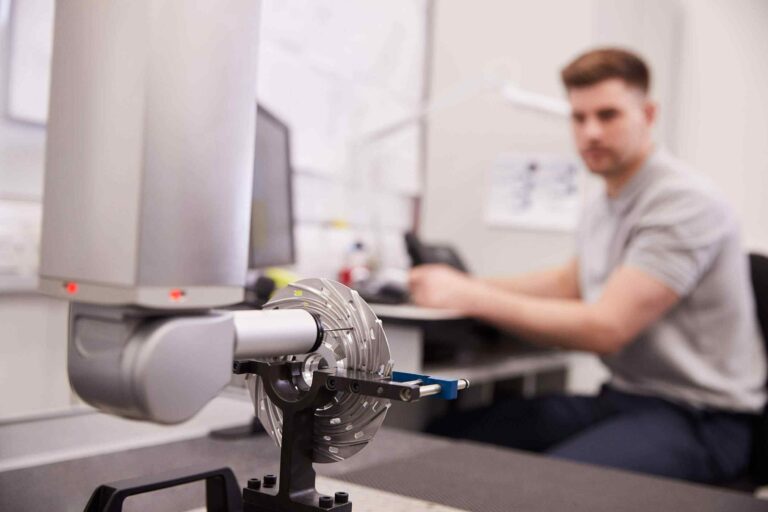
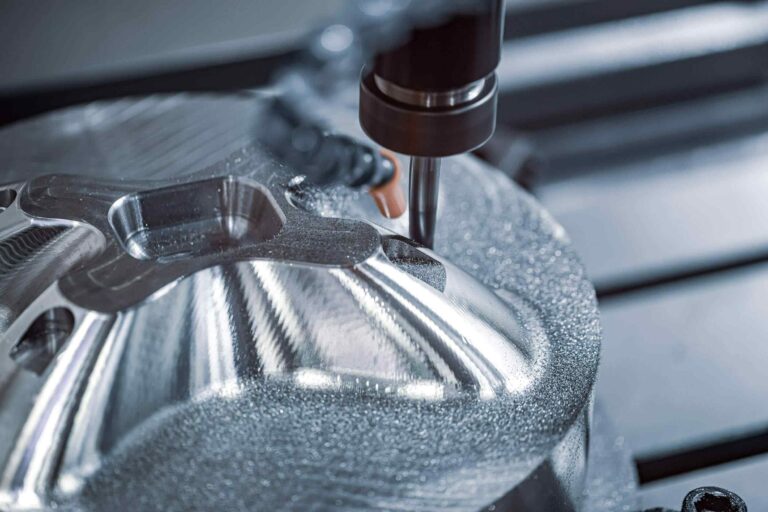
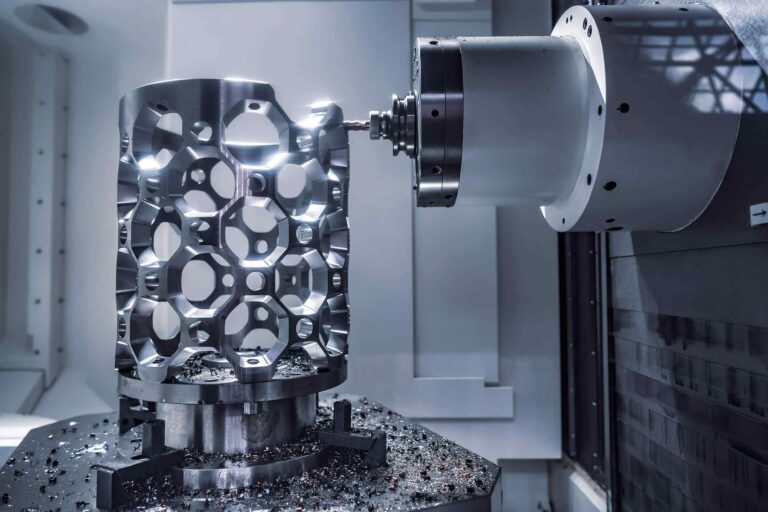
Parts are CNC milled or turned according to the agreed specifications. In-process dimensional checks help identify deviations early. Deburring and any specified surface treatment are completed as required.
3
Final Inspection and Delivery
Finished parts are checked against agreed acceptance criteria, with inspection documentation supplied as specified. Accepted components are packed for protection during transit and dispatched according to the agreed delivery terms.
What to Include in Your RFQ
Send the latest drawing revision with your request for quotation. A STEP model shows the part geometry. A dimensioned drawing tells us which fits, threads, tolerances and surface finishes matter to the assembly.
Include the material grade, order quantity and target delivery date. If the model and drawing differ, we clarify which requirement governs before quoting.

Mark the surfaces that locate or mate with another part. These features guide the choice of machining datums and inspection methods.
Mark the surfaces that locate or mate with another part. These features guide the choice of machining datums and inspection methods.
A deep pocket with a small inside radius can require a long, slender cutter and extra machining passes. If a larger radius would save time, we explain the trade-off and ask for drawing approval before making a change.
How We Control Critical Dimensions
After order approval, we use the released drawing to plan the setups. A turned shaft may need its bearing seats machined in one setup to control runout. A milled housing may need a reference face established before its mounting holes are bored.
The first-piece check verifies the setup before the batch proceeds. During machining, checks on selected features help the operator identify tool wear or a shift in workholding.
Finishing can affect fit. For an anodized housing, for example, we agree which bores need masking and which dimensions must be checked after coating.
Final inspection follows the acceptance criteria agreed at quotation. Tell us which dimensions need recorded results and which documents your receiving team needs with the shipment.
Request a CNC Machining Quote
+86 185 2332 4823
Chongqing
Shared Factory, Mingyue Lake Science and Innovation Park, Chongqing, China
Shenzhen & Dongguan
Jinxing Industrial Park, Shenzhen, Guangdong, China; Logan Science and Technology Innovation Industrial Park, Zhen'an East Road, Chang'an Town, Dongguan, Guangdong, China
Call CNCNC
+86 185 2332 4823
Email Your RFQ
Follow CNCNC